Process

Decide what the viewer should understand. Then build the film around it.

You bring the product knowledge. I bring the questions, story decisions and production. We agree on the workflow and claims before animation.

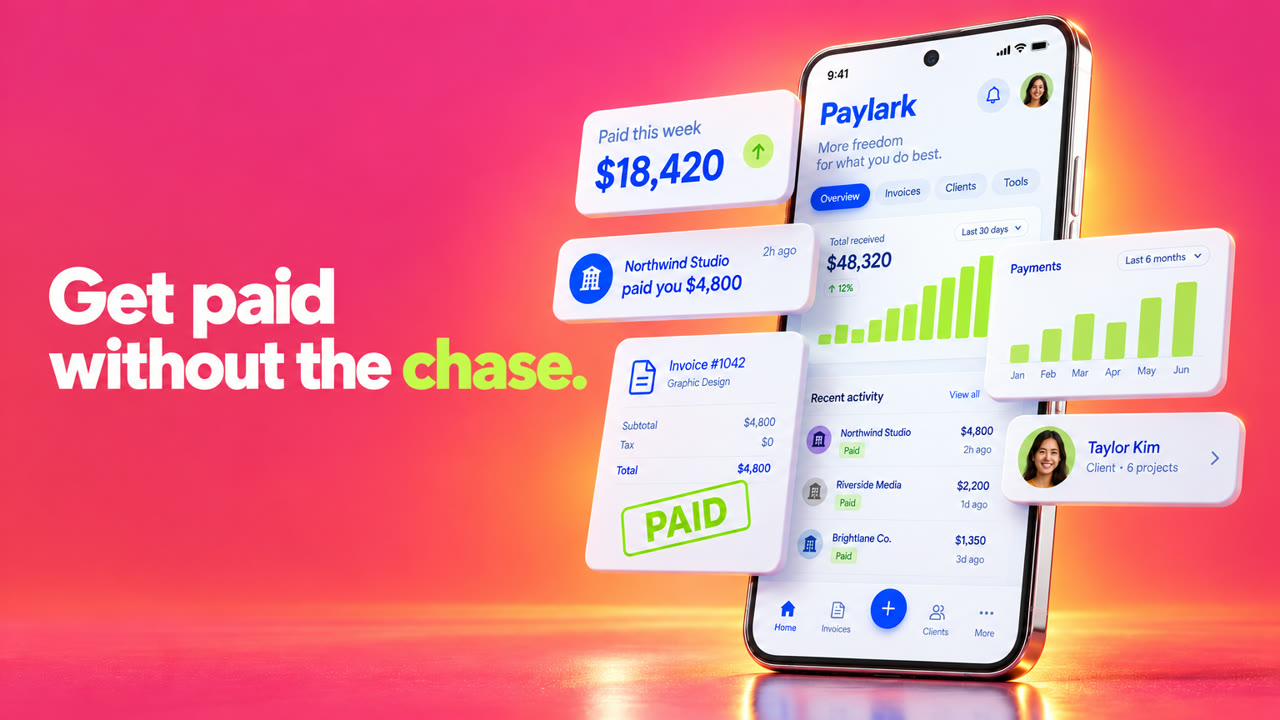
Below, one shot from Paylark, a fictional product concept, follows the film from question to handover. Scroll, and the picture changes with each step.

01 of 05

Find the buyer's question

We look at the product beyond the headline. What is the user trying to do? What makes the current approach difficult? Which product action changes that situation? What can the product responsibly promise?

Your walkthrough, UI and existing materials help us choose one audience, one workflow and one closing action.
02 of 05

Make the story visible

You receive a script or on-screen narrative, a four-to-six-panel storyboard and two styleframes. The board shows the product's starting state, meaningful action and useful result.

I use your consolidated feedback in the included board refinement. You can finish with these paid materials or choose to continue to animation. Written board approval fixes the narrative to be produced.

Compare Paylark's whole board with the film

03 of 05

Review the motion while it is still rough

You see an early landscape cut before the polish and format adaptations. We look at whether the product action reads, the story makes sense and the movement suits the direction.

Your first animation revision round is on this rough cut. The second is on the finished review proof, including all three formats. Each round uses one consolidated response from your approver.

On Paylark, the first rough read as too restrained. Every beat then got its own move, accent and sound before the finish.

04 of 05

Finish, then adapt the story

After the rough-cut round, I refine the animation and sound, then reflow the story for square and vertical frames. Layouts change so the important action and text remain readable. You give your second consolidated animation response on the finished proof with all three formats.

You inspect picture, sound and all three formats before final acceptance. Corrections needed to meet the approved story, readability and agreed formats are my responsibility; they are not an extra concept or a new revision charge.

See three formats playing in sync

05 of 05

Check the files and hand them over

Before delivery, I check the encoded files, dimensions, frame rate, sound and layouts. Clean final exports follow acceptance and the final payment. Your handover identifies the files and agreed usage.

Viewer's question
Why am I still waiting to get paid for work I finished?
Cause
The invoice goes out late, and chasing a client is awkward.
Product action
Send the invoice when the work is done; remind politely until it is paid.
Will not promise
A payment time or a percentage.
The brief
Board frame for Paylark's shot 4: interface layers lift off the phone beside Get paid without the chase.Board frame · shot 4
First rough · shot 4
Finished film · shot 4
File
paylark-master-v8.mp4
Picture
H.264 · 1920 × 1080 · 60 fps · 24.000 s ✓
Sound
AAC · 48 kHz stereo · −14.1 LUFS · peak −1.6 dBFS ✓
Playback
Starts before the whole file loads ✓
Handover check

Responsibilities

Clear decisions on both sides.

We agree on dates before payment.

You

You supply current assets, confirm factual claims and gather feedback through one approver.

Buyer dependencies are documented in the order.

Me

I own the story and production, explain the decisions and flag scope changes before extra work.

Internal production problems remain my responsibility. A change to the approved workflow, narrative or UI gets a written scope and date agreement.

For training and educational work, the same order applies. Deliverables, review steps and acceptance are scoped to your material; see training and education.

Next step

Have one workflow in mind?

Send the product, the audience and where the film needs to work. I'll reply about fit and possible dates. The enquiry does not book a slot.