A process nobody can film
Something happens inside a machine, a system or a body. Animation can open it up and show each step in order.
Training and educational video
For training businesses, customer education teams and subject experts. Start with who is watching, what they need to understand or do, and the part of your material that needs to be shown.
Where an animated lesson helps
Animation earns its cost when the subject is hidden, abstract or easy to get wrong.
Something happens inside a machine, a system or a body. Animation can open it up and show each step in order.
The lesson names the misunderstanding first, then shows what actually happens, so the correct version has something to replace.
The steps, the prerequisites and the exceptions they need to finish the job, in the order they meet them.
See a lesson take shape
Six proposed scenes for a short lesson about heat pumps, from the viewer's doubt to a loop they can retell. Each scene says what to show, what to say and why it belongs.

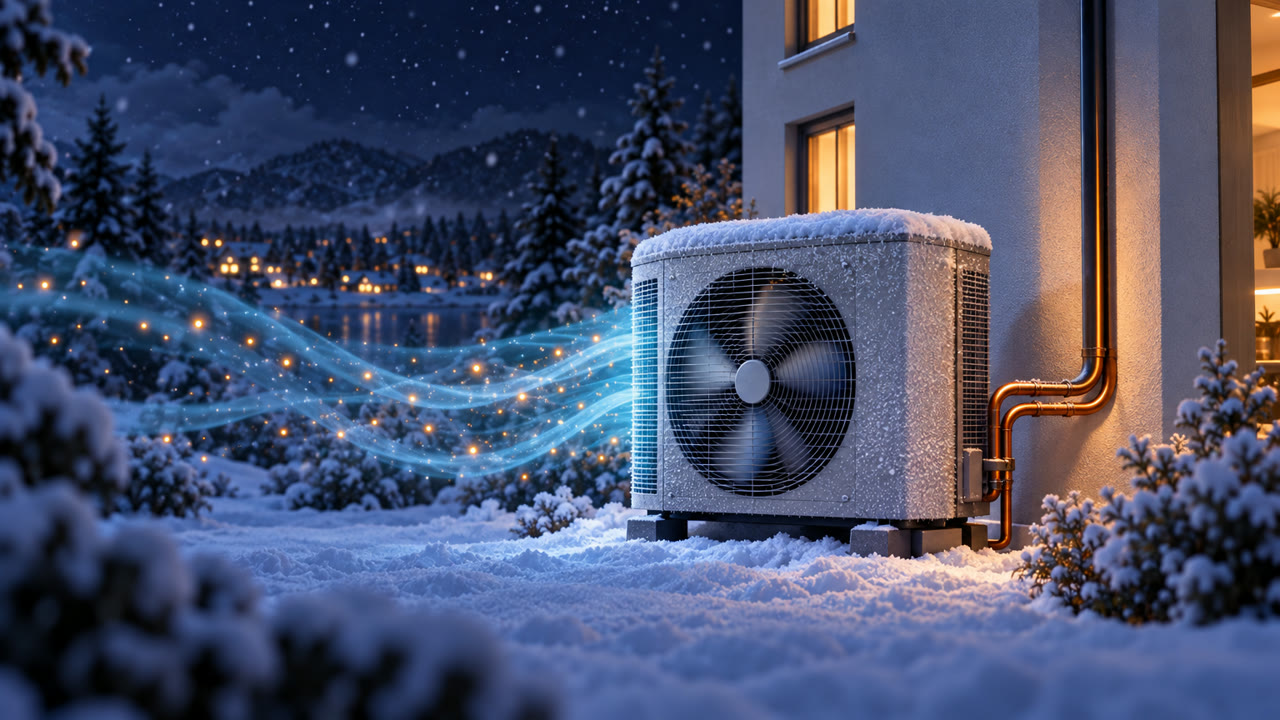
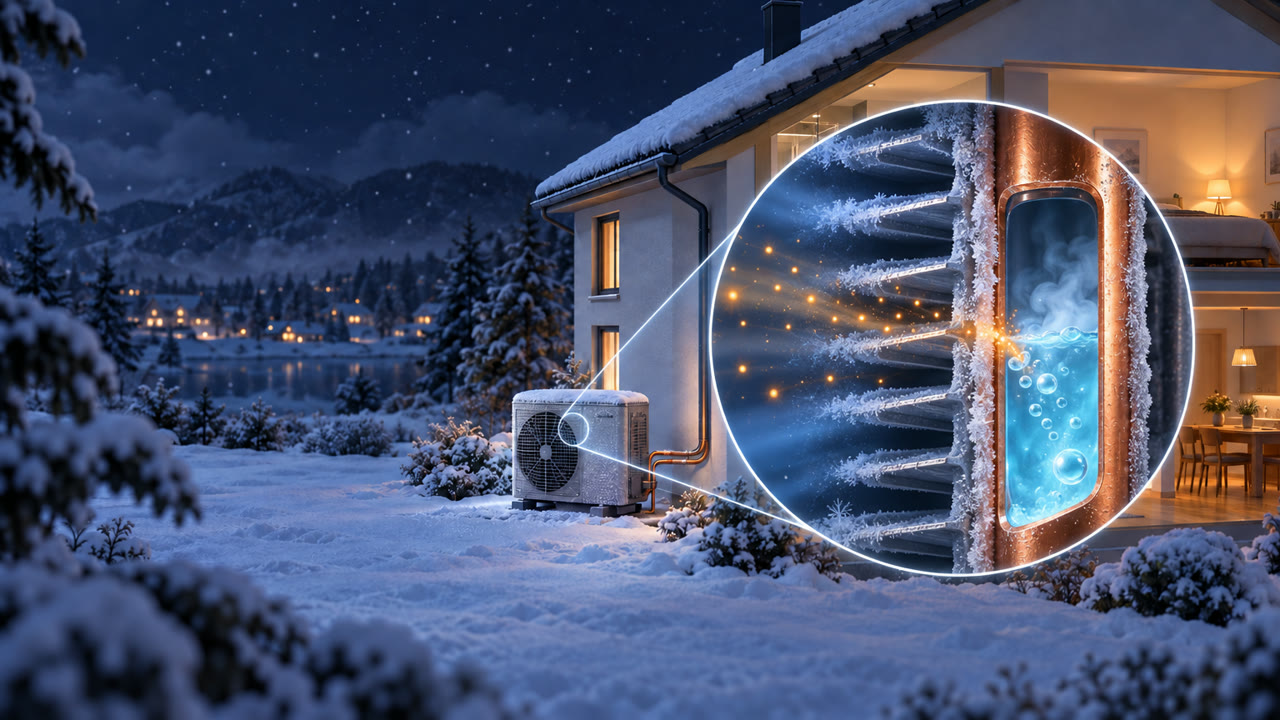
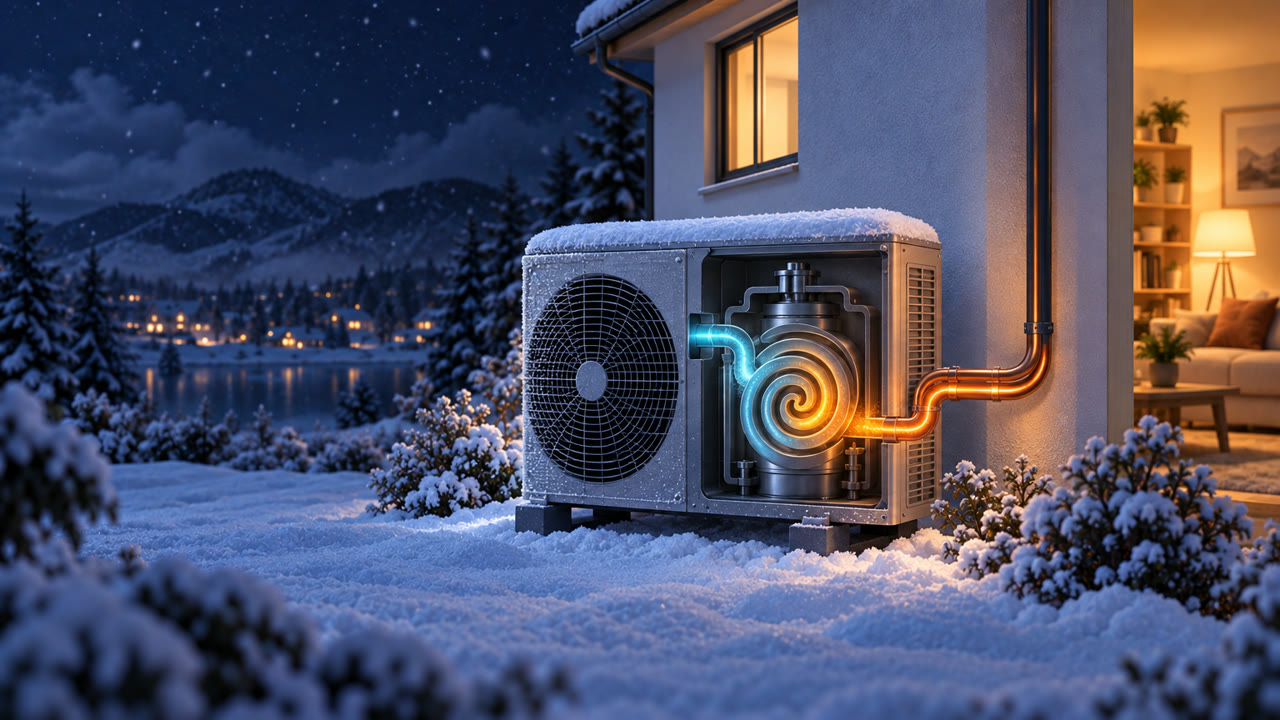


Your approved source material, the audience's starting knowledge and the terms they already use, where the lesson will play, and the accessibility it needs. Every claim and every simplification is checked with the person responsible for the subject before animation.
The six panels were generated with GPT Image 2.5 under my direction, from one approved first frame so the world stays consistent. One panel was corrected to show the compressor in the outdoor unit, where it belongs.
Selected owned work
Owned publishing, not commissioned training. They show how I structure an explanation and carry it with picture and sound.
My own animated explainer channel. One subject at a time, with visuals that show the explanation and distinguish evidence from hypothetical scenarios. Directed by Eric Moore. AI-assisted production and AI narration.
My own illustrated storytelling channel. Legends and folklore told through narrative, illustration and sound, with historical claims identified separately. Directed by Eric Moore. AI-assisted production and AI narration.
How it runs
Training deliverables, revisions and acceptance are scoped to your material. The product-film package terms do not apply automatically.
Identify the viewer, what they already know and what they need to understand or do next.
Shape the explanation around a product action, causal relationship, decision or demonstration. Keep the story accurate to the source material and its limits.
Review the script, board and visual direction with the person responsible for the subject. Confirm claims and scope before animation.
Use the agreed motion, narration and sound, with an early creative review and final-file checks appropriate to the deliverable. Explain the actual AI-assisted workflow and material permissions before booking.
Scope
You receive the agreed finished video files and accompanying text for your own platform, help center or presentation.
Course platform setup, quizzes, certification and credential issuance are outside this video scope. Source files, languages, accessibility needs, usage rights and ongoing updates are agreed in the quote.
There is no standard price for educational work. I review the material with you before proposing the duration, visuals, narration, review steps and price.
Yes, from material you have approved for this use. I read it, propose what the lesson should show and say, and check every claim and simplification with the person responsible for the subject before animation.
Why Lantern and The Ink Teller use AI narration. For your lesson, we agree on narration, captions and languages in the brief, along with permitted AI use for your material.
If the viewer is evaluating the product, start with the product-film offer. If they are learning to use it, start with a training and education brief. One feedback owner and one active production slot apply to either service.
Start with the subject
Share the subject, the audience and the material you have. I'll reply about fit, and we review the material together before any proposal.